


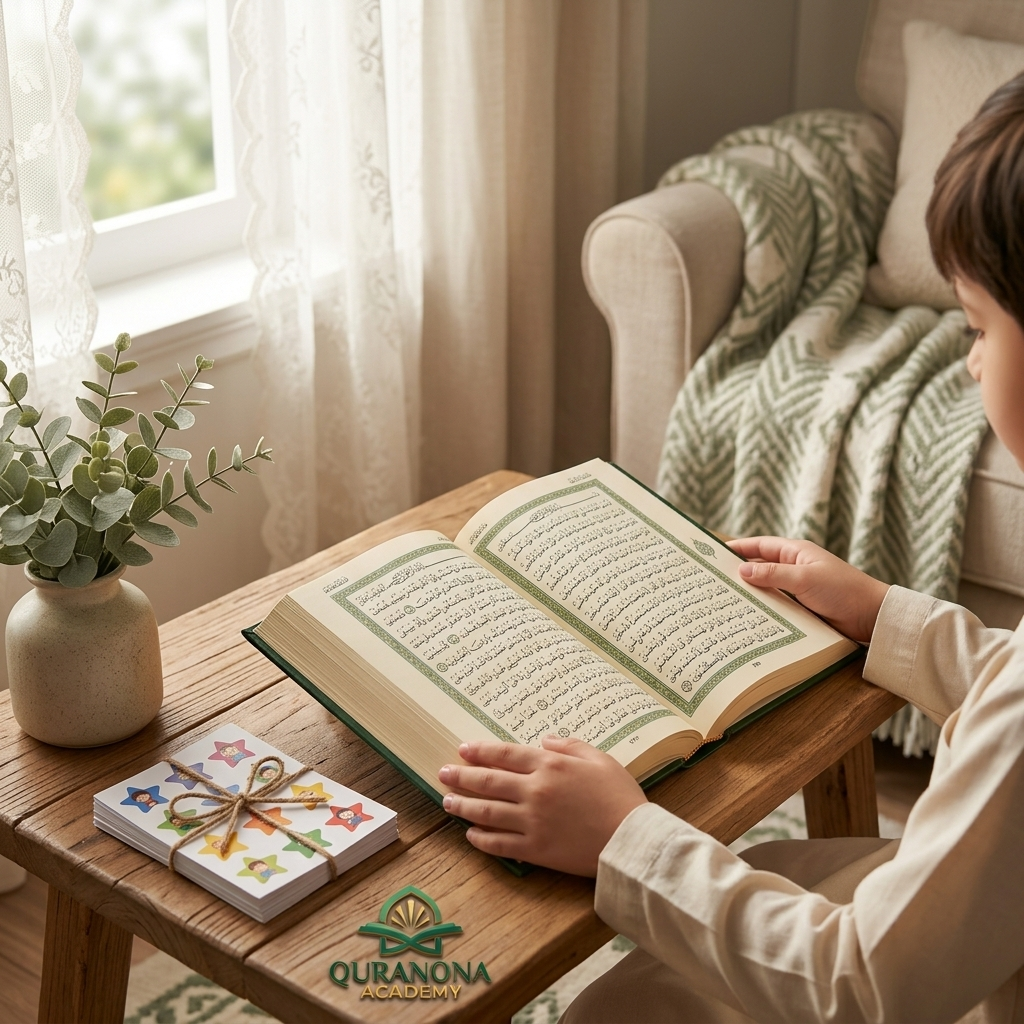
At age ten, a child is old enough to think for themselves and start asking real questions about what they’re memorizing — but still young enough that pressure or fear can turn the Quran into a chore instead of a source of comfort.
The 100 tips below are grouped into five stages: building love for memorizing, making the process easier day to day, understanding meaning, applying it in daily life, and the role of teachers and family. Two Arabic terms come up often: tajweed (the set of rules for pronouncing Quranic Arabic correctly) and dua (a personal supplication or prayer to Allah).
Part 1: Falling in Love with Memorizing
Before drilling repetition, it helps if a child connects memorizing to something positive — a story, a small celebration, a sense of choice — rather than to fear of getting it wrong.
- Memorize to love Allah, not out of fear of being punished.
- Celebrate every surah finished, even a short one.
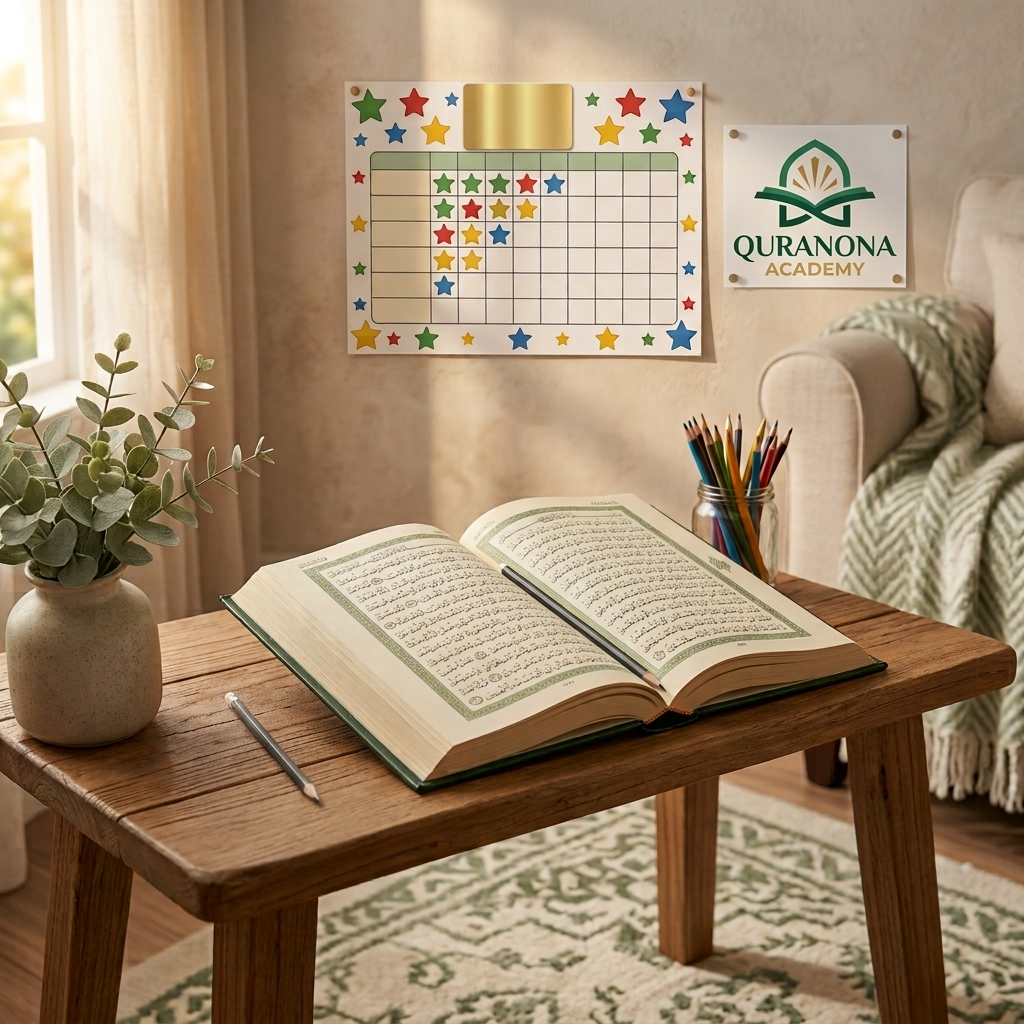
- Make a chart and add a star or sticker each time something new is memorized.
- Connect each verse to a story about Prophet Muhammad ﷺ or his companions.
- Start with an easy, short surah so success comes quickly.
- Praise the effort of trying hard, not just getting it right.
- Offer a simple reward after finishing a surah, like extra playtime.
- Listen to a beautiful recitation of the surah before memorizing it.
- Understand the meaning of the verse first, then memorize it.
- Let the child choose which surah to memorize next.
- Connect a surah to a happy occasion, like Ramadan or Eid.
- Draw or color a picture that shows the meaning of the surah.
- Keep a big tree or chart to add every surah memorized.
- Memorize for a short time each session — better than one long, tiring session.
- Change up the method sometimes: recite, write, or use pictures.
- Record the child’s voice while reciting, then listen back together.
- Turn memorizing into a light-hearted challenge between siblings, not a stressful contest.
- Share the reward Allah promises to those who memorize the Quran.
- Have a parent or teacher memorize alongside the child, not just listen.
- Make dua to Allah after memorizing something new.
“The one who is skilled in reciting the Quran is with the noble, honorable angel-scribes, and the one who reads it with difficulty, stumbling through it, will have a double reward.”
This is worth telling a child directly: struggling through a verse is not a sign of failure — it earns its own reward.
Part 2: Making Memorization Easy and Fun
Once the desire is there, small habits make the daily work manageable — breaking verses down, reviewing before adding new material, and keeping sessions short and calm.
- Break a long verse into small parts, and memorize each part on its own.
- Repeat the verse a few times throughout the day rather than many times at once.
- Learn the first word of each verse well — it helps recall the rest.
- Review what’s already memorized before starting something new.
- Daily review matters more than memorizing something new every day.
- Record the teacher’s recitation to listen to again at home.
- Use a simple hand gesture for each verse as a memory cue.
- Play a “finish the verse” game with a sibling instead of a strict test.
- Memorize at the same time each day, such as right after Fajr prayer.
- Write the verse in large letters the first time it’s memorized.
- Recite to a younger sibling or a parent — teaching someone else locks it in.
- Use flashcards with the first word of each verse as a memory aid.
- If a mistake happens, try again calmly, without anyone getting upset.
- Keep the daily goal small, like half a page.
- Once a surah is well known, try reciting it backwards from end to beginning.
- Memorize in a quiet place, away from the TV and phone.
- Keep a weekly schedule of which surah to review.
- If a verse is forgotten, that’s normal — just try again.
- Make weekly review something visible, so progress feels real.
- Have someone listen to the recitation regularly, to catch mistakes early.
Chat with Us on WhatsApp
Part 3: Understanding the Meaning
Memorization without meaning fades faster and means less. A few minutes spent on “what does this actually say” turns memorized words into something a child can carry with them.
- Ask why Allah said this verse, and try to understand it independently first.
- Think about when this verse might apply in daily life.
- Read the meaning of the verse in simple, everyday language.
- Watch an age-appropriate video that tells the story of the prophet in the surah.
- Talk with a parent each week about the meaning of a whole surah.
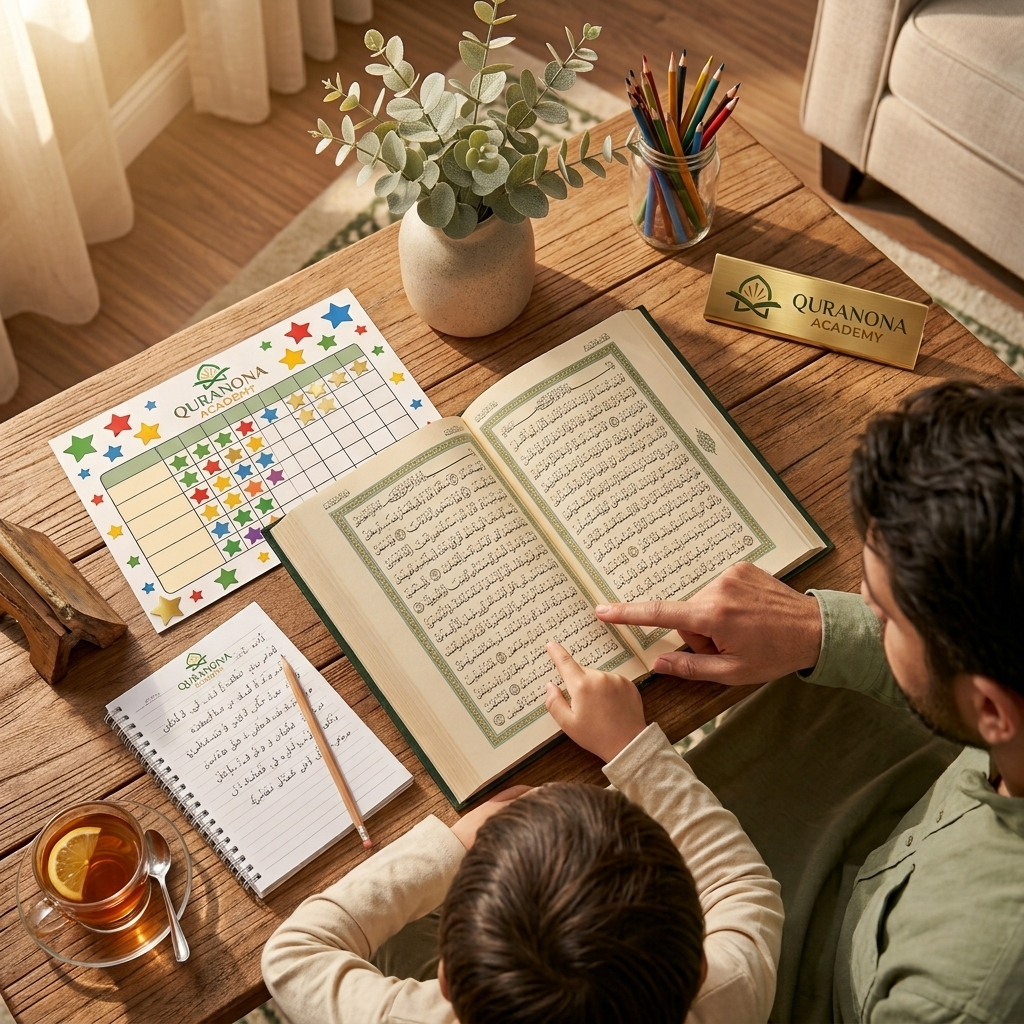
- Write, in the child’s own words, the meaning of a simple verse understood well.
- When a surah mentions one of Allah’s names, understand and reflect on its meaning.
- Encourage every “why” question — none of them are too simple to ask.
- Enjoy the stories of the prophets in the surah as engaging stories in their own right.
- Notice how correct pronunciation (tajweed) makes a verse sound clearer and more beautiful.
- Play a game connecting a verse to the good quality it describes, like honesty or patience.
- After memorizing, ask: what did this verse teach me?
- Think of a real situation similar to what the Quran describes.
- Connect verses about mercy to a moment a parent showed mercy.
- Let the child share their own thoughts about a story before hearing the explanation.
- Connect verses about creation to something learned in science class.
- Pick one idea from the verse to put into practice that week.
- Draw a simple map connecting the topics covered in one surah.
- Read the surah’s name and guess what it might be about before starting.
- Ask: am I doing what this verse asks of me?
Part 4: Living by the Quran
The last stage is where memorization becomes lived experience — a value from the Quran showing up in an ordinary Tuesday, not just in recitation.
- Choose one verse each week and try to apply it that day.
- If a verse is about honesty, practice being honest in speech that week.
- Share with a parent, at the end of the week, one time the Quran was applied.
- Use a dua from the Quran personally, such as the dua of Prophet Musa.
- Follow the manners of eating and greeting learned from the Quran and Hadith.
- Read a few verses before bed daily, even without memorizing them.
- After memorizing a verse about kindness, do something kind — like helping a neighbor.
- Treat the patience required to memorize as practice for the patience the Quran describes.
- Explain to a friend or sibling why a certain value from the Quran matters.
- Keep a small notebook noting, once a week, a time something memorized was applied.
“And your Lord has decreed that you worship none but Him, and that you be good to your parents.”

- Treat parents with kindness, following this command to be good to one’s parents.
- Do a small act of charity with the family after finishing a whole surah.
- Use a memorized verse in personal dua during prayer.
- Stay honest at school — including during tests — as the Quran teaches.
- Remind siblings, gently, about the value memorized that week.
- Learn from the stories of the prophets how to solve problems and make good decisions.
- In a difficult moment, recall a verse that can help guide the right choice.
- Aim not just to memorize correctly, but to apply what’s memorized.
- Say “Alhamdulillah” after eating, as the Quran teaches gratitude to Allah.
- Share with the family, weekly, one moment a verse’s meaning was applied.
Part 5: With Teacher and Family
None of this works in isolation. A calm, encouraging teacher and family environment shapes whether a child experiences the Quran as a burden or as something they choose to return to.
- Watch a teacher or parent recite the Quran, and take them as a good example.
- Avoid comparing progress to a child who memorizes faster.
- Don’t rush to finish today — pace matters more than speed.
- Effort counts, even when the memorization isn’t perfect yet.
- Have family follow up on review at home with encouragement, not pressure.
- Set aside time to simply enjoy a beautiful recitation, without memorizing.
- Make recitation time with the teacher a positive experience, not a fearful one.
- Expect gentle correction for mistakes — mistakes are part of learning, not something to fear.
- Mark real progress with a small certificate or a family celebration.
- Share inspiring stories of other children who memorized the Quran.

- Remember every child memorizes at their own pace — there’s no single correct speed.
- Make time for a simple educational game about the surah being learned.
- Welcome every question, even ones that feel too simple to ask.
- Let confidence from memorizing carry over into other areas of life.
- Enjoy reviewing with friends rather than only competing with them.
- If a child is tired or upset, let the teacher know — a good teacher will adjust.
- End each session with a reminder: memorizing comes from loving Allah.
- Invite the child to share their own ideas about how they’d like to learn.
- Mix solo memorization with reviewing alongside friends each week.
- Keep the bigger goal in view: not just memorizing words, but keeping the Quran as a lifelong companion.
Talk to Our Support Team on WhatsApp
Frequently Asked Questions (FAQs)
What’s a realistic amount for a 10-year-old to memorize each week?
This varies by child, teacher, and how much time is available, so it’s best set with a qualified teacher based on the child’s pace rather than a fixed weekly target. Consistency in review matters more than the size of new material added each week.
Should a 10-year-old understand the meaning before memorizing, or after?
Many teachers find it helpful to introduce the meaning in simple language first, since a verse a child understands tends to stick better and feel more personal than one memorized purely by sound.
How do I keep my child motivated without using rewards for everything?
Mixing intrinsic motivation (stories, meaning, a sense of choice) with occasional, modest rewards tends to work better than relying on rewards alone, which can shift the goal from loving the Quran to earning the prize.
What if my child forgets verses they already memorized?
Forgetting is normal and expected — it’s one reason regular review matters more than constantly adding new material. A calm re-review, without frustration, is usually enough to bring it back.
Sources & References
Authenticated References Used in This Article:
- The Holy Quran: Surah Al-Isra (17:23) — Verified translation available at quran.com/17/23
- Prophetic Hadith: Narrated by Aisha (RA) regarding the virtue of Quran reciters, authenticated in Sahih al-Bukhari (4937) and Sahih Muslim (798) — References available at sunnah.com/bukhari:4937
Last updated: September 2026
Written and reviewed by the Quranona Academy academic and editorial content team.
